Write Your Own Job Description When Nothing Resonates

This is the story of a campout, a school closure fight, and why I decided to write my own job description.
This past weekend, we went camping with the Cub Scouts. It’s always a fun time for the kids, and it gives parents a chance to connect with each other.
It’s the closest thing to having a village at your fingertips. What I enjoy most about these campouts is that I can bring my whole self: a mom, a wife, an engineer, a founder. I can also run off at a moment’s notice if my kid suddenly steps into a patch of poison oak, and not worry too much. Five parents will follow me to make sure my kid is OK, while another handful keep an eye on the other two.
Don’t worry, none of my kids got poison oak this time, but you get the idea 😉
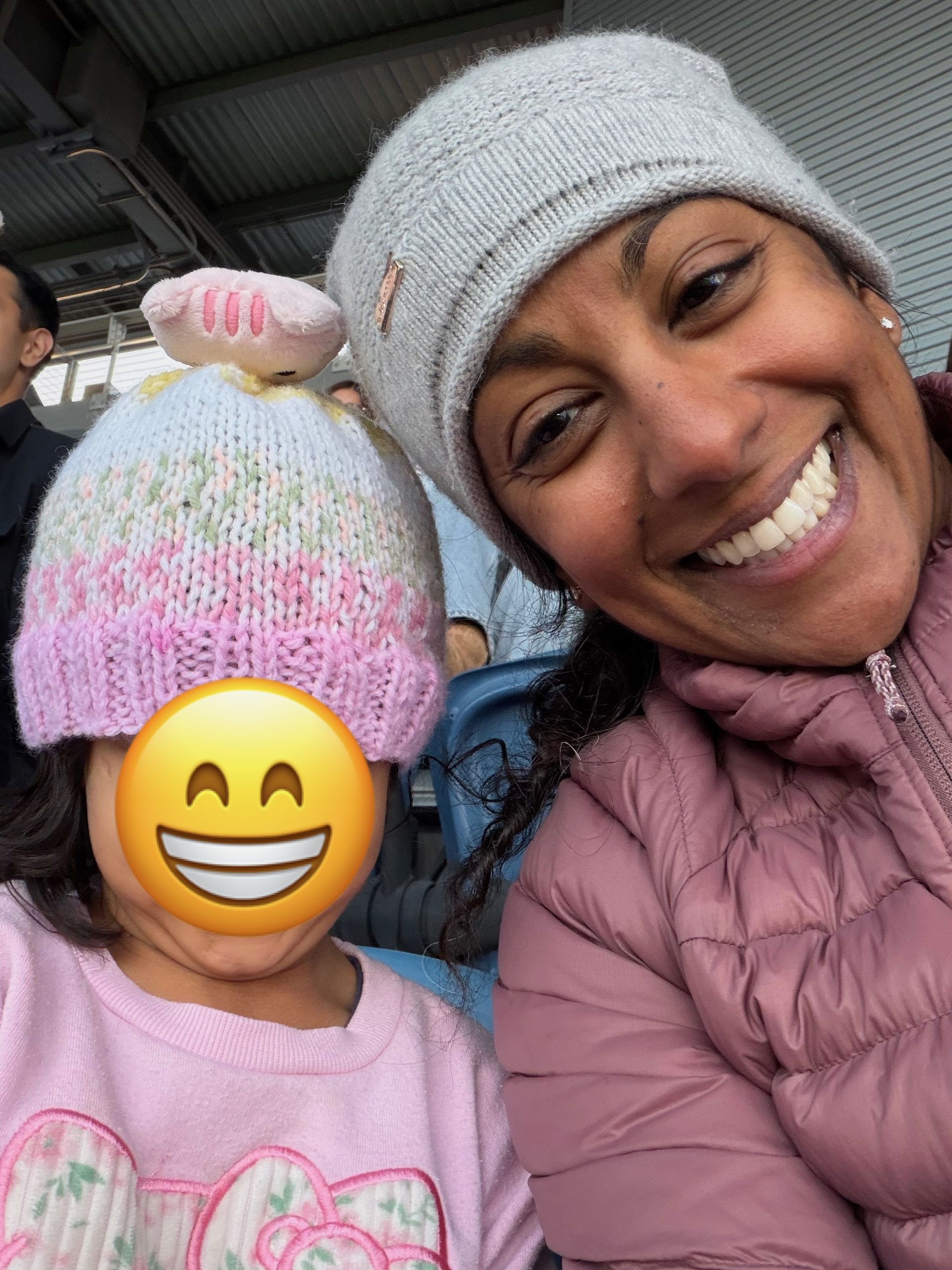
When people make room for all of you, something else happens too: you start offering more of yourself. You pitch in, you lead a little, you share what you know.
Having that kind of room to contribute is something I’ve struggled with for the last few years. I didn’t even realize it was missing until earlier this year, when SJUSD announced school closures.
When parts of me woke up
I jumped in. I quickly built a website with AI tools so families at our school knew what was happening, and I started showing up at district meetings to share my concerns.
Before long, I was pulling together parents from all across SJUSD and comparing notes with parents in other districts around the state and country. I also met with school board trustees and people in the mayor’s office. I was building, writing, speaking, and organizing all at once, and it felt like parts of me had woken up.
Not everyone welcomed it. Some parents at my school didn’t appreciate me speaking out, even though I’d been upfront that I wasn’t representing their views. Some of the parents I’d brought together started making decisions without me. And between ducking out of work early and showing up on the local news, I knew some of my colleagues were noticing what I was doing outside of work.
But other parents appreciated what I was doing, and a few of them became fast friends. In a way, they became another village.
Rediscovering my value
That experience helped me rediscover my value at a time when I was feeling stuck, burnt out, and like I had somehow regressed in my capabilities.
I was capable. I could make valuable contributions, and people appreciated them. Maybe not everyone, but some.
Once our school was off the chopping block and my workload picked up, I knew I needed to step back. There was still unfinished business, and walking away left me uneasy. It was a cause I cared deeply about, but it wasn’t mine to own.
More than anything, it showed me I needed something where I could bring my whole self.
Why job descriptions never resonated
As I mentioned last week, I’d spent a good chunk of last year and early this year looking around for opportunities, and none of them resonated. Looking back, I think I know why.
Job postings tell you what an employer needs from you. They say much less about what you’d learn or who you could become there.
That matched what I saw in interviews, too. In the roles I explored, most of the conversation went to me proving myself. Very little went to the team showing why it was worth joining or how people there had grown.
When I asked about it, I often got vague answers. One interviewer told me, “You’ll know you’re doing well if you get handed more projects and responsibilities.” More responsibility can be a sign of growth. But that answer only described more work, not what I’d learn or where it would lead.
So after spending about six to nine months getting the lay of the land, I stopped waiting for the right posting and crafted my exit plan.
I started by listing my capabilities, especially the ones I hadn’t used much in the past few years, like writing, speaking, coaching, and prototyping. Then I listed what I wanted to learn and how I wanted to grow. Finally, I thought about what I might want to build or create, the problems I care deeply about, and the type of people I want to work with.
I’ve done this before
The school fight showed me my capabilities were still there. The next question was what to do with them, and I’d answered that question before.
In Femgineer v1.0 (2013–2019), I set out to build an education company that helped technical professionals level up in their careers and build products and companies of their own. One of my first goals was to write a book to connect with that audience.
I quickly learned that traditional publishing would take forever, and I might not even get a book deal. I really felt I could write one, though, so I went the self-publishing route. I spent a few months learning how and published my first book within six months. A year later, I did it again, improving my process and learning something new each time.
It’s been 11 years since my last book, and people still reach out asking how to self-publish. Some things have changed, but a lot has stayed the same.
I took the same approach with courses, a podcast, speaking, and advising. I didn’t do it alone. I started with what I was good at and what I could learn, and eventually hired people with deeper expertise.
I cut Femgineer v1.0 short because I got overwhelmed and, frankly, felt I needed to build a financial cushion for my growing family. I also thought I’d have more time on the side to keep writing, speaking, and coaching. But as my workload increased, those were the first things to get jettisoned.
But I’m back now with a renewed sense of what I can build.
Tip of the week: Write the job description no one will post for you
You may have more to work with than your current role lets you see. Last week’s exercise helped you name what’s missing. This one helps you see what you already have.
- List what you’re capable of. Include everything, not just what your current role uses. Star the skills you haven’t used in a while.
- Find proof. For each starred skill, write down the last time you used it and someone valued it. It doesn’t have to be at work. For me, it was a school closure fight.
- List what you want to learn. Include how you want to grow, not just what you want to do.
- Choose the problems and people you care about. What problems matter most to you, and who do you want to work with?
- Write the first line of your job description. “I want to use ___, learn ___, and solve ___ for ___.”
Use that line as a filter. It might point you toward reshaping your current role, taking on a side project, finding a different team, or building something of your own.
What’s next
Next week, I’ll share how I’m deciding what to build.
P.S. If you’re one of the people asking how to self-publish, or you’ve been wondering whether what you know could become a book, a consulting offer, software, or a physical product, I’m putting together a free 10-part series called Productize Your Expertise. Join the waitlist. You don’t need to quit to start.


