Simple Key Strategies for Speaking Up
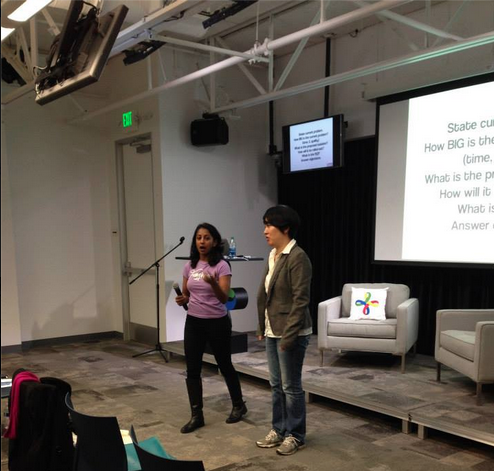
I’m sure you’ve had an idea for something at some point in time. Maybe a way to improve a product or process at work? You’ve want to speak up, but you’re of course afraid that it will get rejected. You might have even experienced this rejection before, too many time, and it was pretty painful. Believe me I used to get rejected ALL the time, and still do from time to time. But I’ve removed the sting and reduced the frequency of rejections by changing my approach to selling ideas.
Instead of selling people the entire idea, I march on up to the decision maker, and give them a bite sized piece of my idea. I deliver each piece slowly, listen for push back, and only move on to the next piece only if I get buy-in. Here are some strategies for speaking up and an example of what the entire process looks like.
Warm Up and Buy Some Time
I know people in our fast paced world loathe small talk. But truthfully it’s critical if you want something BIG. Now there maybe people on the other end who also loathe small talk so gauge their current state before proceeding. In either case never start a conversation with, “Hey do you have 5 minutes?” No one has 5 minutes, and they know you’ll end up taking 15. Instead start with something like, “Hi Bob! How are you today?” Give Bob time to answer, and really be patient! “I’d like to talk to you about something, but I want to make sure I’m not interrupting what you’re doing, so if now isn’t a good time to talk, let me know, and I’ll just put something on the calendar.” Buying some of their time is the first piece of the process, and only proceed to convey your idea if they are truly engaged.
Never try to sell an idea to those who are in a rush, they won’t be listening.
Give Them the Benefit of the Doubt
Then proceed to bring something to their attention, and give them the benefit of the doubt, they might already know about something. “Hey Bob, maybe you’re already aware of this, and you might already be working on a solution, but I’ve noticed that morale on our team has gone down a little in the past couple of months.” Give Bob time to answer.
Deal with Denial and Defensiveness Using Compassion
Now of course whomever you are talking to will either deny, defend, but maybe they’ll accept, they might even be the culprit but that’s OK, full steam ahead! Regardless of their response use compassion, “I know its hard to keep morale up with so much to do around here. And it of course has to be a group effort!”
Collect Feedback and Use it to Get Buy-In
Remember how we talked about creating alignment last week? Well it’s time to use those strategies again! “I know you care about the morale of this team…” Wait for Bob to nod. “I have a small idea, and I’m curious to know what you think of it.”
This is the time to tell Bob a piece of your idea, not the entire thing! At each step listen for push back, if there isn’t any then confirm he’s onboard! “Here’s the first step Bob… and here’s how I see the team benefitting from it… What are your thoughts?”
Give Bob time to answer.
If Bob agrees follow up with, “Do you see any issues with it?”
If you have a solution then you need to get buy-in for that, otherwise empower Bob to come up with a solution. “Wow Bob, that’s really a good point, have you thought about how we could tackle that problem?”
Don’t say anything else. There is no point in proceeding to sell more pieces of your idea until there is a solution for the current push back. Until it’s solved and you have Bob’s buy-in you cannot move ahead. Most likely you’ll receive the same push back from others.
Closing
If you’re idea really is BIG (the test is the amount of resources it will require or how much change of behavior it calls for) then you’ll need to put things in place one step at a time.
“So Bob, are we in agreement here?”
Do one final buy-in/push back check. “Anything other issues you foresee?” Maybe even go down the list of previous push back points. All good? OK! Proceed to reiterate benefits one last time, and go full steam ahead.
Now as you implement your idea you might get push back, the way to handle this is to remind Bob of this conversation, and the reasons why you are doing this idea. If Bob is an honest person he will remember. If he is dishonest and denies the conversation and benefits, then you should start selling your brilliant ideas elsewhere. However, if something truly does come up that was unanticipated, then you’ll need to address the push back like you did before.
Don’t immediately discount your idea because its yours, or be afraid to pitch it because you might face rejection. Think about my approach of selling an idea, and try it out. Just like I mentioned with creating alignment, I cannot guarantee that it will work like a charm the first time you try it, you’ll get better as your practice, so do it a few times. And as I mentioned before, if you do all the steps and people still aren’t buying, then it’s very likely that you’re working for the wrong organization altogether.
Want help gaining the confidence to speak up and catapult your career?
Then check out our upcoming Confident Communicator Course!
I’ve put together a short video on communicating confidently to make it easy for you to learn more and decide if it’s right for you.
Information Mentioned in the Video
Course Dates
- The course starts Monday May 2, 2016 and ends Wednesday June 22, 2016.
- Classes are held on Mondays and Wednesdays at 3pm PST.
- Labs are held on Tuesdays and Thursdays at 3pm PST.
Pricing
- The price for early bird registration is $1200 and is due by Friday April 15, 2016.
- The price for regular registration is $1500 and is due by Friday April 29. 2016.
- There is a monthly payment plan where you can pay $150/month for 12 months, the total price is $1800 with this plan.
- There is group pricing. For any company that sends more than 2 employees, the price of the course per employee is $1000.
Brochure to Request Company for Sponsorship
We have put together a brochure you can share with your boss and use to get them to sponsor your participation in the course, you can download it here.
Remember we only teach this course once a year. Register for the course here.


