By Karen Catlin
Thank goodness for corporate sponsorships. I was reminded of their importance a few weeks ago when I attended the “Women Organizers” gathering in San Francisco. It brought together people who hold events for technical women, including Women Who Code, Girl Develop It, Rails Bridge, and Latinas in Computing to name a few. Sponsors are clearly important to the success of these groups, including our host for the evening, Mozilla!
The next day in my car, I was listening to our local public radio station announce their fundraising drive. They often run challenge grants, where a sponsor donates $1000 (or more) as an incentive to match donations by individuals who call in during a segment of a show. In return, the sponsor gets mentioned and acknowledged for supporting the station. These challenge grants make smart business sense for the sponsors: their company name is mentioned many times during the challenge period for a fraction of the cost of what a full ad would cost. It’s bargain-basement advertising.
It got me thinking about how I would make decisions to sponsor an event or non-profit when I was a vice president in the CTO’s Office at Adobe Systems. Because of my passion to help women succeed in the male-dominated tech field, I set aside a small budget to sponsor external events and organizations that supported technical women. As you might imagine, there were always more requests than my budget could cover. To evaluate them, I would ask myself these questions:
1) Will this sponsorship help me meet a business objective?
Imagine that my company had a goal for doubling the number of female candidates for any open technical position. If I were asked to sponsor an event that attracts technical women who job seeking, my instinct would be to say yes. Yet, I’d still want to evaluate the cost of the sponsorship by understanding what I could expect in return. In other words, I’d want data from your previous sponsorships or reasonable projections.
My advice to event organizers:
Ask me what problem I am aiming to solve by sponsoring your event, and tell me about the impact you’ve had with previous events.
For example, if you knew I wanted to fill my pipeline with more women, you might tell me facts like these: Last year, 1500 female CS and EE students attended our conference. 72% submitted their resume to our database, which we share exclusively with sponsoring companies. Or, We typically attract 80-100 technical women to our events. Based on survey responses, most attendees are highly likely to apply for job openings at our sponsor companies.
Not only will this kind of data grab my attention, I can use it to evaluate the sponsorship and whether I will realize enough benefit to justify the cost.
2) Do I believe in the cause because of my personal experience?
As a technical woman, I’ve often felt like a minority, excluded from meetings or casual discussions where I might learn something, meet influential people, or find out about a hot new opportunity. Imagine how I felt when I heard about the Ada Initiative, a non-profit that educates people of all genders on how to support women in open tech/culture. This group was tackling the harshest landscape for technical women: the open source community, with its lack of female role models, work that often competes with personal/family priorities, infamous insensitive conference sessions, and a combative hacker ethic. And I hadn’t heard of anyone else addressing this specifically.
The Ada Initiative made it easy for me to decide to provide seed funding: they had a compelling, unique mission and they clearly stated their initial priorities. I couldn’t wait to to see them get started!
My advice to organizers:
To appeal to sponsors on a personal level, make it easy for the sponsor to make a connection.
Tell your story about why you’re creating the event or initiative. Differentiate yourself from others who might run similar events, and be clear about what you hope to achieve. Once a potential sponsor feels a connection, they’re more likely to support your cause.
The next time you need to line up sponsors for your event or initiative, think like an executive. Put yourself in their shoes, anticipate these two questions, and create a pitch that will be hard to say no to.
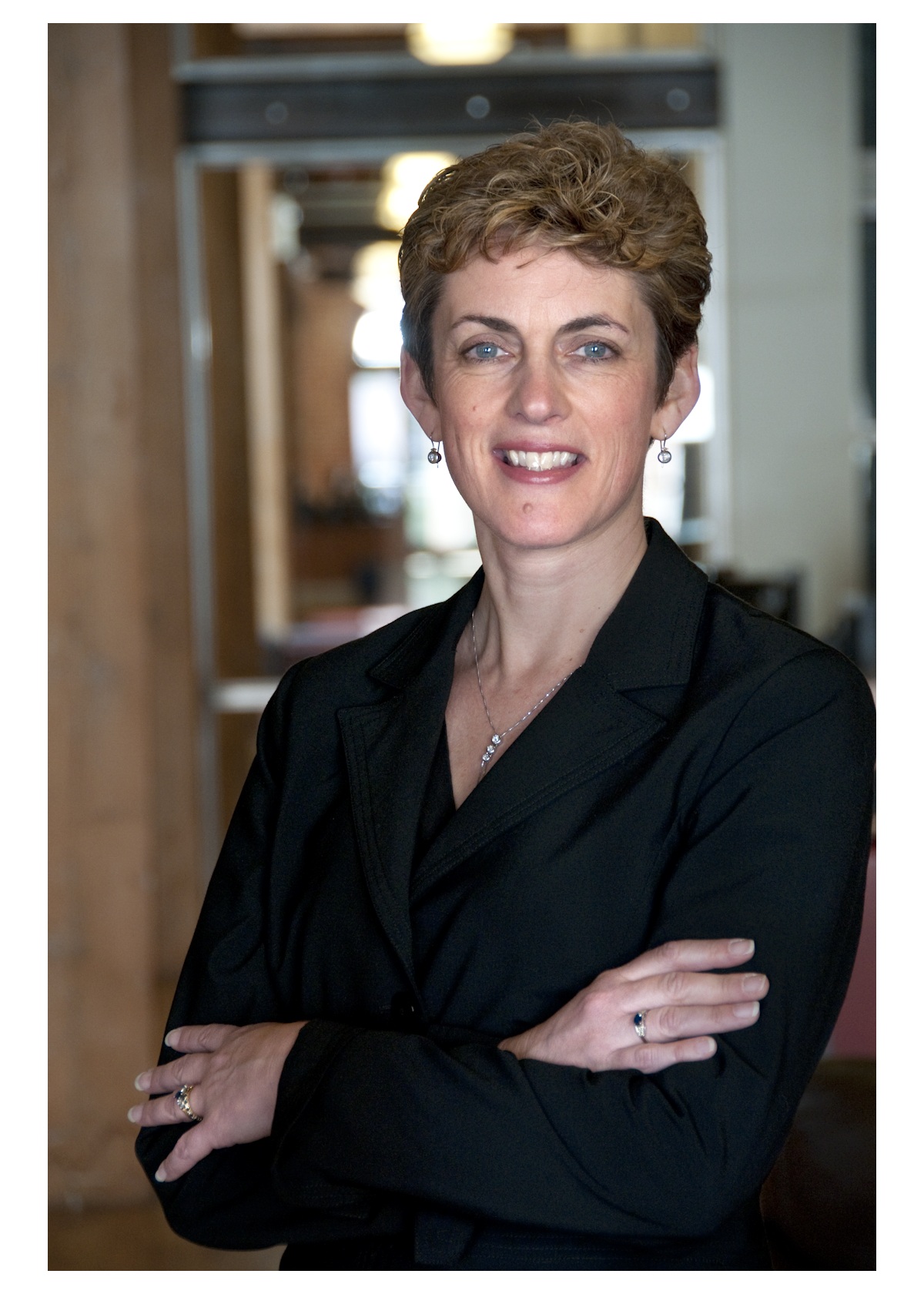
After a successful career in the software industry, Karen Catlin now focuses on developing powerful women leaders. She draws from her experience as an executive to coach individuals, lead workshops, and advise companies on hiring and retaining female talent. Karen also writes “Use Your Inside Voice,” a blog about the intersection of parenting and leadership.
In her prior role, Karen was a vice president in the CTO’s office at Adobe Systems. While there, she co-founded the “Adobe & Women” initiative, focused on attracting, retaining, and providing career development opportunities for women at Adobe.
Karen holds a B.S. in Computer Science from Brown University.


